
Thriving Together: Co-creating a Brighter Future for Girls in Education

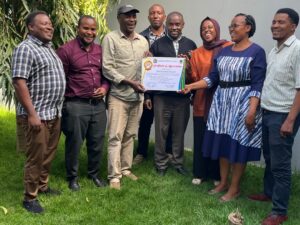
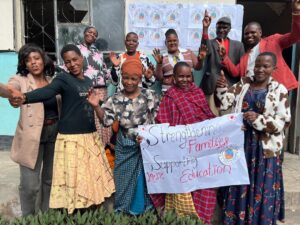
We’re thrilled to share highlights from a powerful two-day co-creation workshop we recently hosted with our partners at RELI Africa. Guided by a shared goal – advancing girls’ education – we brought together educators, cultural and religious leaders, community influencers, and parents to build strategies that truly work on the ground. Thrive Global Project has seen remarkable progress in our programs such as: 7,000 students under our program, 57% girls – a strong female presence, 97% gender gap closure—we’re proud to say girls are now on equal footing, Standard 7 pass rates: 69.5% for girls, 67.6% for boys These numbers show real progress, but we know the journey continues. During the 2 day Co-creation National Level workshop, key challenges that were tackled that undress the dire challenges of girls in accessing quality education were;
- Safety & Protection
- Child Protection Clubs in schools
- Mental health and psychosocial support (MHPS) programs
- Community counselors for emotional care
- Child Protection Clubs in schools
- Equity & Inclusion
- Advocacy for assistive devices and inclusive WASH facilities
- Gender-responsive budgeting at school/district levels
- Mentorship programs pairing girls with community women leaders
- Advocacy for assistive devices and inclusive WASH facilities
- Foundational Learning & Life Skills
- Literacy and numeracy tools like ALiVE and Jifunze
- Digital literacy, life skills, and financial education for adolescents
- Peer‑to‑peer platforms to help girls connect, engage, and lead
- Literacy and numeracy tools like ALiVE and Jifunze
- Community Engagement & Parenting Support
- Caregiver training on emotional/material support
- Parental advocacy groups
- Partnering with religious/traditional leaders to shift norms and discourage harmful practices
- Caregiver training on emotional/material support
- Policy Advocacy & System Strengthening
- Working with government to monitor educational policy (e.g. classroom overcrowding)
- Advocating for full basic education up to Form 4
- Building evidence through partnerships to influence SRHR, protection, and inclusion policies
- Working with government to monitor educational policy (e.g. classroom overcrowding)
Throughout the workshop, a few themes stood out clearly:
- Collective action is powerful. When communities work together – schools, parents, leaders – girls get real access to quality education.
- Gender-responsive budgeting matters. Money allocated with girls in mind empowers systems to support them long-term.
- Community pillars are central to sustainability. Religious leaders, cultural elders, and parents aren’t just supporters – they’re champions of change.
Comments are closed.