
Our Newest Project: VICOBA
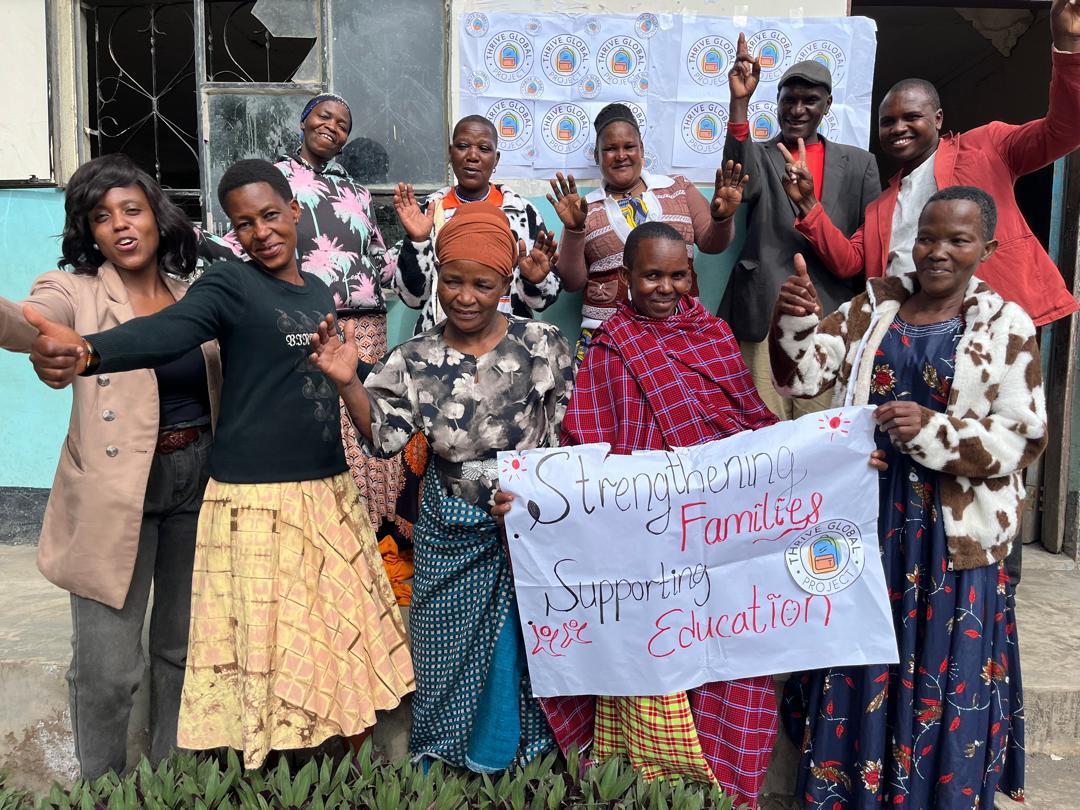
Empowering Maasai Women Through VICOBA and Entrepreneurship Training
Background on the Project
Women in the northern part of Tanzania, particularly Maasai women in Lengijave and Engorika, face severe economic hardship and income disparity due to historical socio-economic marginalization, low literacy levels, and limited access to financial services. According to national statistics, over 60% of rural women in Tanzania lack access to financial services, and the gender income gap remains a significant barrier to economic empowerment. Many Maasai women rely on small-scale livestock keeping and beadwork, which generate minimal income, making it difficult to support their families and ensure children’s education and well-being.
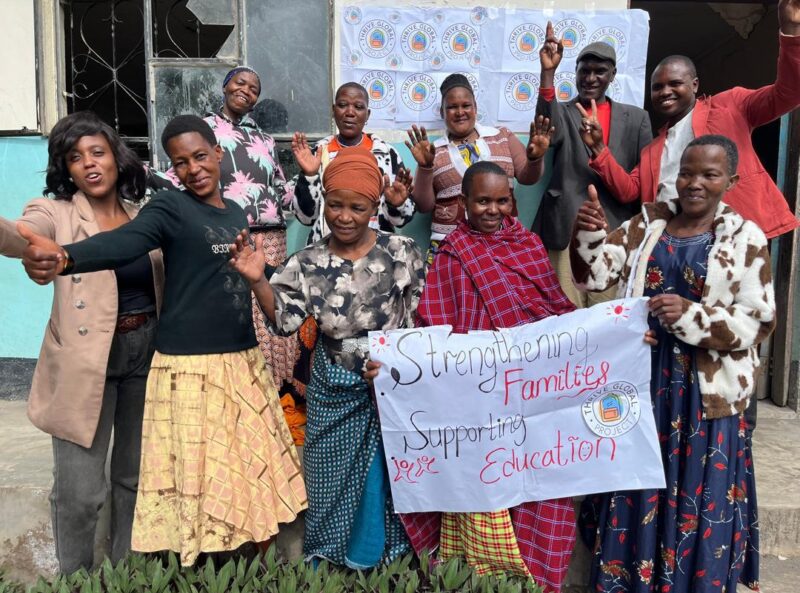
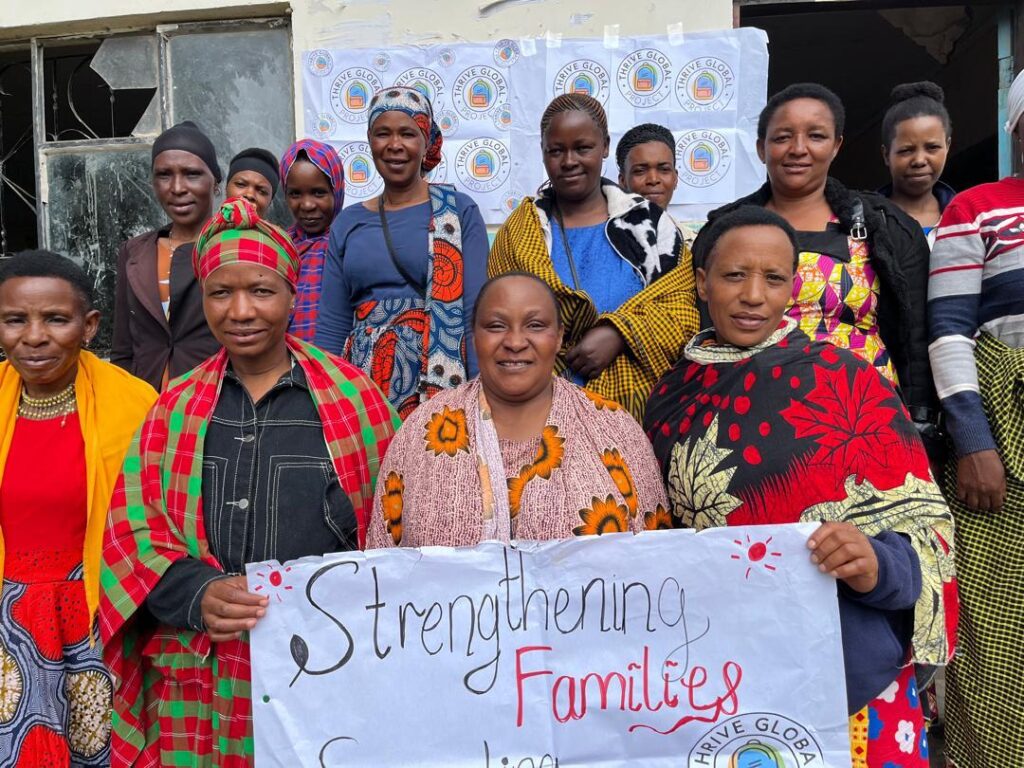
Thrive Global Project recognizes the urgent need to economically empower these women, particularly the 36 women who work as cooks in school feeding programs. These women play a critical role in ensuring children receive nutritious meals at school, yet they face financial instability due to low and inconsistent income. To support them, Thrive Global Project seeks to establish a Village Community Bank (VICOBA) and provide entrepreneurship training, equipping them with the skills and resources to achieve financial independence and improve their household livelihoods.
Project Goal
To empower 36 Maasai women in Lengijave and Engorika through the establishment of a VICOBA and entrepreneurship training, enabling them to achieve financial stability and contribute to their families’ and community’s socio-economic development.
What is a VICOBA?
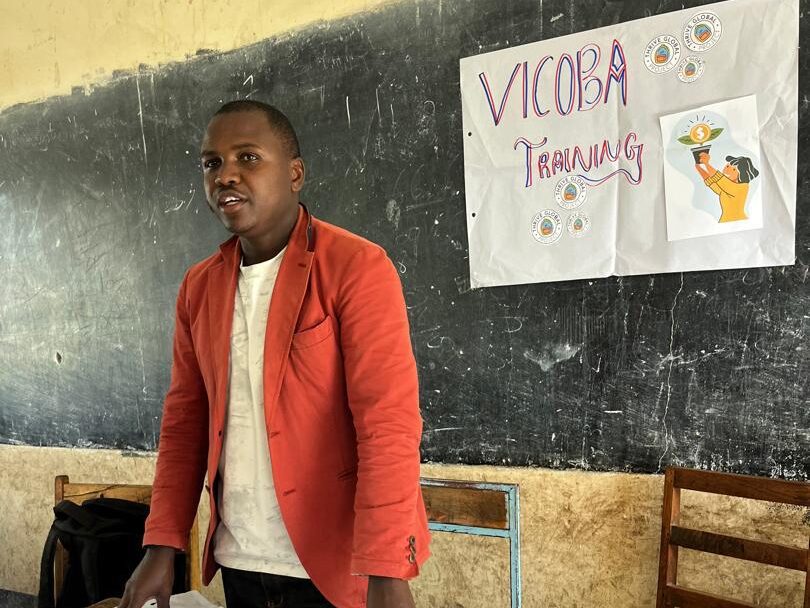
A VICOBA (Village Community Bank) is a community-based savings and loan group designed to provide financial support to its members, particularly in rural areas or low-income communities. It operates as a self-managed microfinance system where members contribute savings regularly and can access small loans to invest in businesses, cover emergencies, or improve their livelihoods.
How it works:
Members contribute a set amount of money at regular intervals (for example, weekly or monthly). The pooled savings form a fund that members can borrow from, typically with low interest. Loans are repaid over time, and interest helps grow the fund. Once the cycle is closed, the group typically restarts the cycle again (typically one year).
VICOBAs empower individuals, especially women and small business owners, by providing access to financial resources that might otherwise be unavailable through traditional banks. They foster economic independence and community resilience. They provide a safe space to access small loans and other emergency funds.
The Benefits
The benefits of a VICOBA (Village Community Bank) are numerous, especially for individuals and communities with limited access to formal banking. Here are some key advantages:
- Financial Access – Helps those without bank access, save and borrow money.
- Business Growth – Supports small businesses and entrepreneurship.
- Community Support – Builds trust and financial cooperation.
- Financial Education – Teaches saving, budgeting, and loan management.
- Emergency Help – Provides funds for urgent needs like medical bills, farm activities or school fees.
- Low-Cost & Sustainable – Simple, self-managed, and avoids high bank fees.
VICOBAs empower individuals, strengthen communities, and promote economic independence! VICOBAs create financial independence, build stronger communities, and provide opportunities for growth, making them a powerful tool for economic development.
What makes a VICOBA successful?
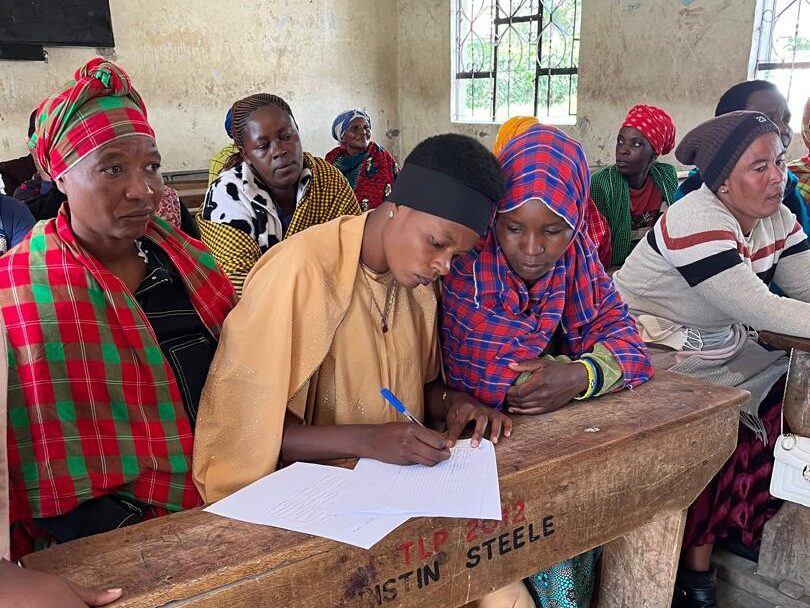
Savings Groups work successfully when members adopt a few core elements relating to group formation and management. These are:
- Self-selection – Groups choose their own members. (These should be people member’s trust).
- Democratic governance – Group leaders (management committee) are selected each cycle via an open election process.
- Transparent and inclusive decision making – Group decisions are made by voting.
- Accurate record keeping – Groups record every transaction during each meeting and all members know how much money has been saved.
- Shared goals and commitments – Groups focus on shared objectives and support one another to achieve their objectives.
Alignment with Global, Regional, & tanzanian National Development Agendas & Framworks
- Sustainable Development Goals (SDGs):
- SDG 1: No Poverty – By fostering economic independence among Maasai women.
- SDG 5: Gender Equality – Through financial empowerment and business leadership.
- SDG 8: Decent Work and Economic Growth – By promoting sustainable entrepreneurship.
- Africa Development Agenda 2063:
- Aspiration 1: A Prosperous Africa – By strengthening local economies.
- Aspiration 6: Development that is people-driven, relying on the potential of African women and youth.
- Tanzania National Policies on Women Empowerment:
- National Strategy for Gender Development (NSGD) – Advocates for women’s access to financial services and economic opportunities.
- Tanzania Development Vision 2025 – Promotes gender equity and inclusive economic growth.
Project Objectives
- To establish a fully functional VICOBA for 36 Maasai women within 3 months.
- To provide entrepreneurship training on business skills, financial literacy, & marketing.
- To facilitate access to startup capital and mentorship for sustainable business growth.
- To strengthen household livelihoods, ensuring improved child well-being and education outcomes.
- To monitor and evaluate progress and impact over 12 months.
The VICOBA Program has been made possible by the TIF. Check it out here: Tanzanian Impact Fund
Comments are closed.